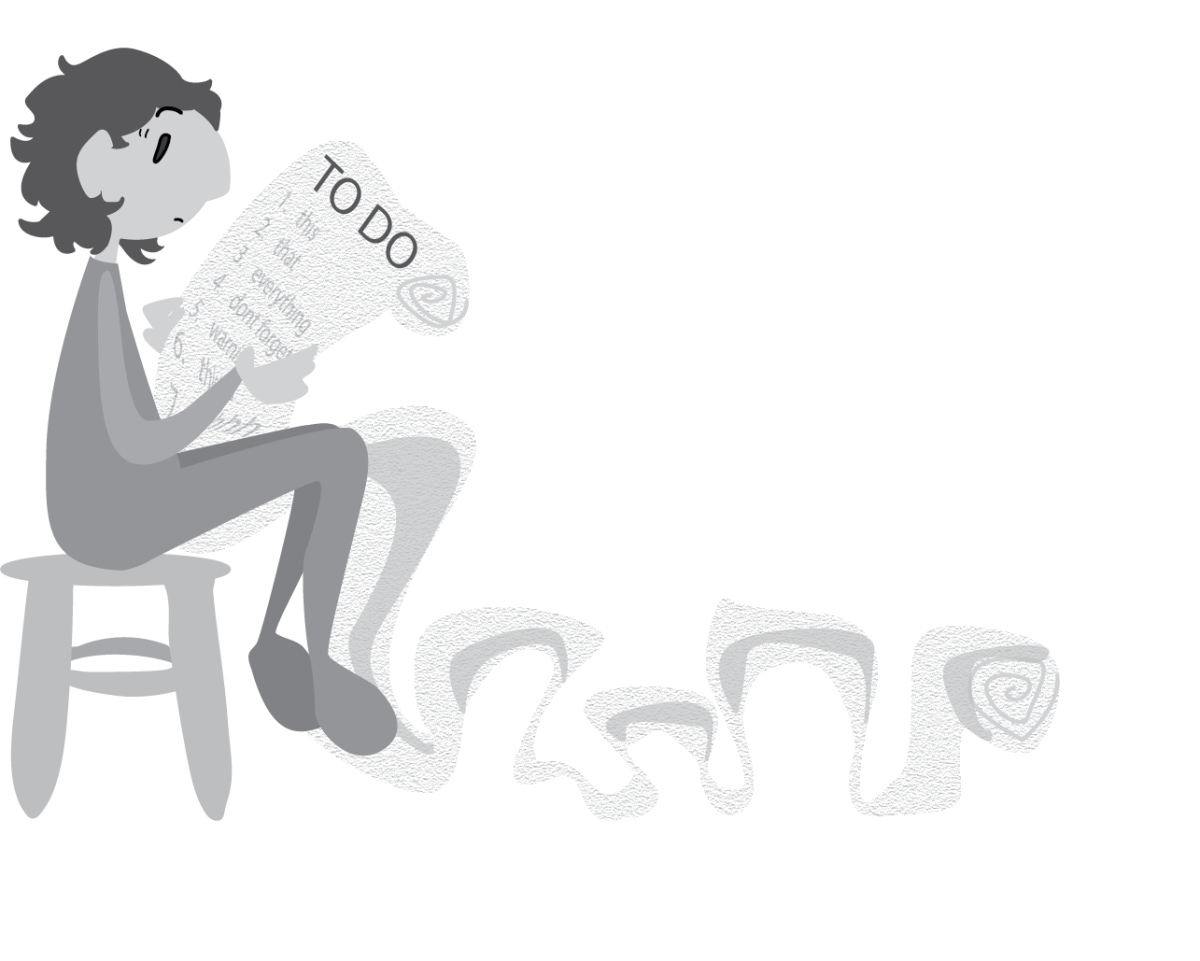

There is a wisdom that comes with age. Whether that is simply knowing which turtleneck sweater goes best with that one pair of skinny jeans, or which vegetables pair best in a classic Croc Pot stew, time and knowledge grow parallel to one another. However, it’s not often that the younger generation takes advantage of the intelligence of the older generation. It’s easy to rely simply on one’s own expertise, instead of learning from another’s. Not only is it easy, but it is often encouraged. This pattern is not only detrimental to society, but harmful to every individual, young and old.
Where did this trend begin? Overall, society lacks—and has always lacked—an understanding of ancestry. Where there should be an acknowledgement of the beauty of different years, only a gaping hole exists. So much so that we had to label them—Millennials, Generation Z, Generation Alpha, Boomers, etc. 1981-1996. 1997-2010. Different years, different people, more separation, more stereotypes. Although there is beauty in the unity of a single generation coming under their own name, it creates a clear dividing line. It says, “you stay in your corner, and I’ll stay in mine.” It emphasizes influence within and not reaching outward to grasp the hands of the young and the old together.
It has become “embarrassing” to ask for help. Raising a hand in class or meeting has morphed into a terrifying obstacle often associated with sweat dripping down foreheads and shivers racing down spines. Though there are a few brave people out there that have little problem with this, the other 99% have experienced the sweat and shivers. They understand the threat of anxiety pulling at their stomach, as they consider whether or not they should ask that critical question. The point is, this dilemma shouldn’t exist in the first place. Some would argue that this has more to do with the teaching atmosphere, and though that is true to some degree, it expands far beyond the classroom. There is little stress associated with typing out a quick “HELP, I’M CRASHING OUT!!!” to a study partner. So why do people’s hearts beat as they select ‘send’ on that email to a teacher, administrator or boss?
The answer is the same as mentioned before: the fear comes not from asking the question, but from interacting with someone older and wiser. A fear of embarrassment, because they may be told what to do by someone outside their “generational clique.” And the consequences of this reach far beyond a failed essay. If there is no source of knowledge beyond a person’s peers, there is a ceiling on what is to be learned. There is no amount of Googling that will come close to a 9/11 survivor telling their story, or the council of a great grandmother who survived the Great Depression. No text on a screen can compare to what it’s like to learn from the mistakes of those who have wisdom to share. And the moment we begin to forget this, that is the moment we limit ourselves.