

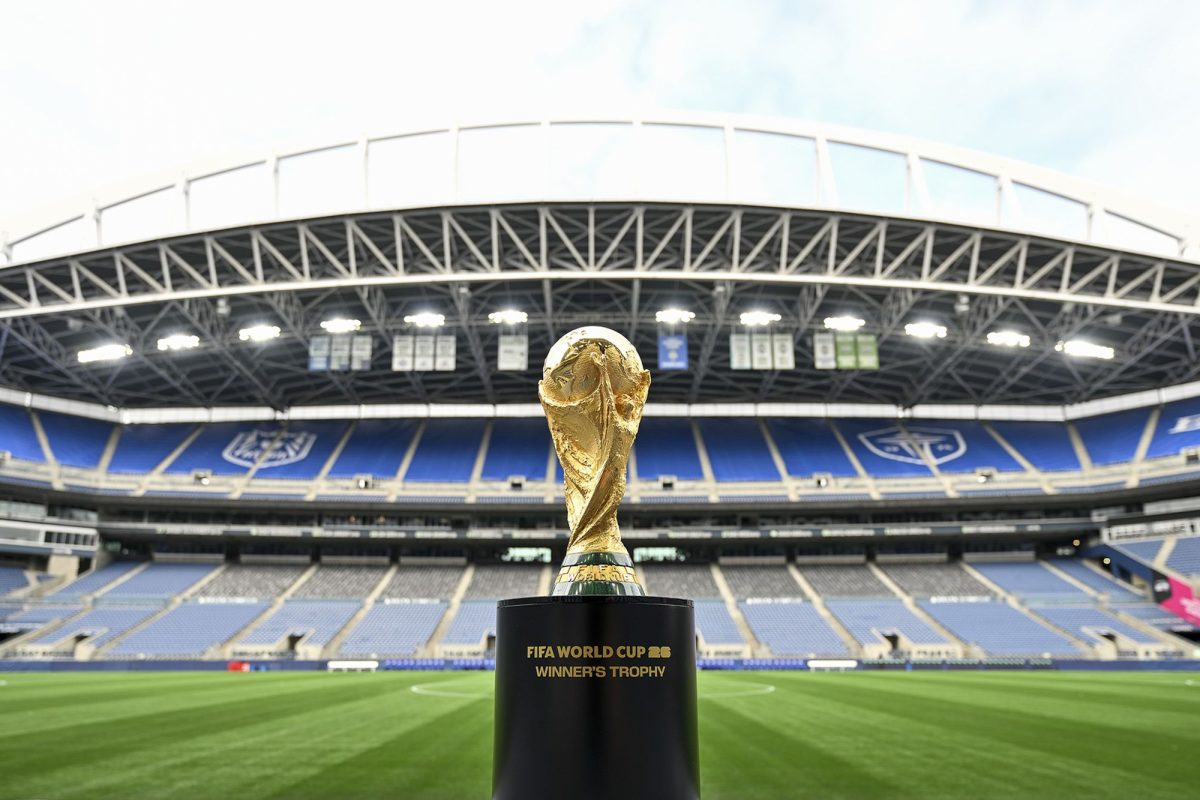
Let’s be clear here. I’m not a soccer fan. I’ve never really understood the sport, and I’d much rather watch basketball. However, I can’t help but get a bit excited for the FIFA World Cup coming to Seattle this year. Not really for soccer, but for the history Seattle is aiming to make. The Seattle World Cup 26 Organizing Committee reached out to local organizers of pride events and small business owners, making the most of this already amazing opportunity. Because the match scheduled on June 26th overlaps with the yearly tradition of Seattle PrideFest, they made the decision to have the first ever Pride Match during the FIFA World Cup. However, in an interesting turn of events, the countries drawn to play on this day just so happen to be very anti-LGBTQ+, these countries being Iran and Egypt. Predictably, these two teams are not happy about the setup. Both Iran and Egypt criminalize homosexuality, punishments ranging from fines to the death penalty. Individuals falling under the transgender umbrella aren’t even legally recognized in Egypt, risking being arrested and assaulted for being themselves. Despite countless protests from Egypt and Iran demanding that FIFA prevent it, FIFA has stayed quiet, neither endorsing nor banning the event.
I feel that it is important for Seattle to stand their ground and for FIFA to not ban this event, as it stands as a celebration for the LGBTQ+ community and the ongoing fight for visibility and equal rights. The Pride Match holds importance as it celebrates local values and reaches people who are suppressed in other countries due to their gender identity or sexuality. Above all, I believe that no matter one’s views, dehumanizing and suppressing people over something beyond their control is never okay.
Seattle is known as a very queer friendly city, celebrating pride yearly with the second largest LGBTQ+ population in the U.S., maintaining a steady reputation as an inclusive city. The city of Seattle values diversity and inclusion, and the SeattleFWC26 committee wishes to share these values with the world, advocating for people worldwide to be more accepting and inclusive. An argument by Egypt against the Pride Match is that FIFA must remain neutral. What Egypt is overlooking is that, taking FIFA’s previous actions into consideration, they are remaining neutral. FIFA has shown before that they value the local cultures of the host countries, as seeing in the 2022 World Cup hosted by Qatar when visitors for told to comply to the strict anti-gay views, even banning players from wearing “One Love” armbands -which was planned by some European teams- to advocate for queer rights for Qatar. If FIFA were to turn down the idea of a Pride Match, this would be a display of hypocrisy, not neutrality. I know that some people are interpreting the Pride Match as “forcing the woke agenda on people” but this is a huge misunderstanding about pride. Pride is to celebrate someone’s identity, sometimes peacefully protesting for rights, other times to just bring awareness and make connections.
All around the world, whether people like it or not, there are people who are part of the LGBTQ+ community. Homophobic countries don’t have a lower rate of homosexuality, as shown by surveys, but rather they have a higher rate of queer individuals in the closet. Whether out or in the closet, it’s important for people to be represented. The Pride Match is a perfect opportunity for this representation to reach a global audience. This can help people all around the world of any gender identity or sexual orientation feel more comfortable with themselves, letting them know that there are people somewhere that support them just the way they are. This is highly important to many queer people, especially where homophobia and transphobia are the social norm. Even just a little bit of support can change a life for the better. The Pride Match could even encourage people to have a more open mind and be more accepting. Pride in the U.S. started as a riot, a fight for equal rights and visibility. The Pride Match is meant to spread this around the globe, supporting those who need it.
A common argument made against the Pride Match is that it goes against the religious and cultural beliefs of many countries, most importantly, the ones taking part in it. These countries justify anti-LGBTQ+ sentiment through their interpretations of Islamic law, which frames homosexuality as a sin and danger to societal cohesion. Recently, it’s also seen as a “Western Disease” or social contagion that threatens their strong belief in gender roles. These gender roles and a strong sense or tradition reinforces homophobia and transphobia, allowing unfair and violent acts against queer individuals to be allowed and encouraged.
Personally, I believe that societies should have no right to dehumanize any minority due to something that is not controlled by people, regardless of religious beliefs. Being gay or trans isn’t a choice, and efforts to change one’s sexuality or gender identity aren’t going to be successful, only causing harm to the person. Along with this, there is no cause for queerness. There have been correlations found between queerness and other factors, but correlation isn’t the same as causation. Everyone has the right to believe what is right and wrong, but to act on these beliefs in a discriminatory or violent way isn’t acceptable. It’s still always important to approach these with an open mind. The Pride Match encourages this, showing that the LGBTQ+ community is more than just a stereotype, but a minority that celebrates diversity, love, and acceptance.
In conclusion, the planning for the Pride Match should continue, as it’s an important step to take for queer rights, celebrating Seattle’s local values, and gives representation and support to those who don’t have it. Above all, it helps discourage unrightful discrimination. So, if you watch the game on June 26th, remember that this is an important event and celebration. Not just for Seattle, but to reach every curve of the earth, representing an amazing community.

